To secure the enduring legacy of the Eloyi by rediscovering, preserving, and celebrating our historical and cultural heritage.
Our Mission
To safeguard Eloyi heritage through documentation, digitisation, intergenerational knowledge sharing, and the creation of accessible resources to support literacy, scholarship, community development, and posterity.
Our Collections
Our collections represent the most comprehensive body of Eloyi historical and cultural documentation available today. These collections form the backbone of our preservation work and are continually expanded through digitisation and community contributions. They include:
CC Jacobs Archives
1900–1959
Colonial-era ethnographic documents, transcripts, and photographs capturing early records of the Eloyi.
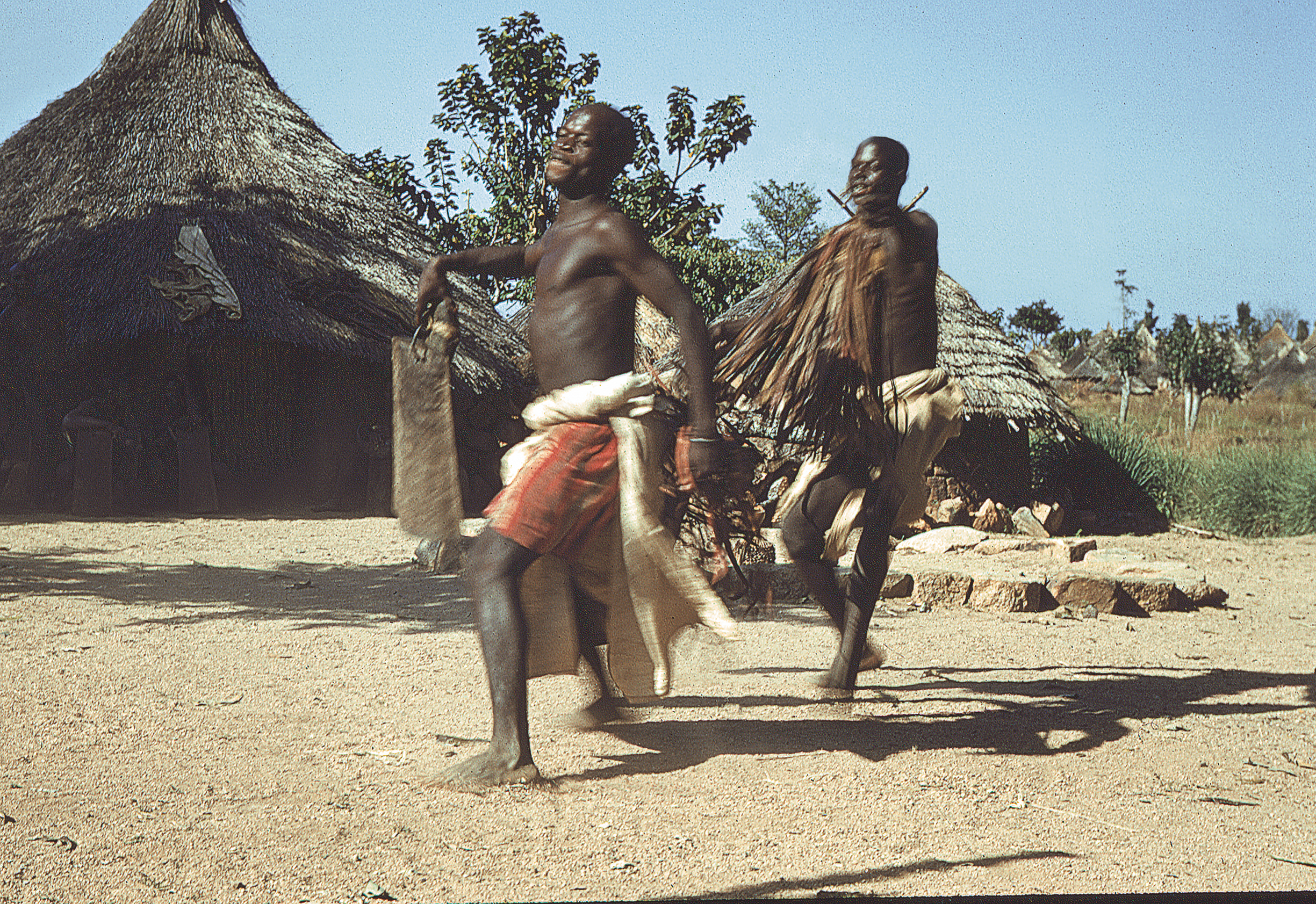
Elsy & Jolantha Photographic Documentation
1954–1955
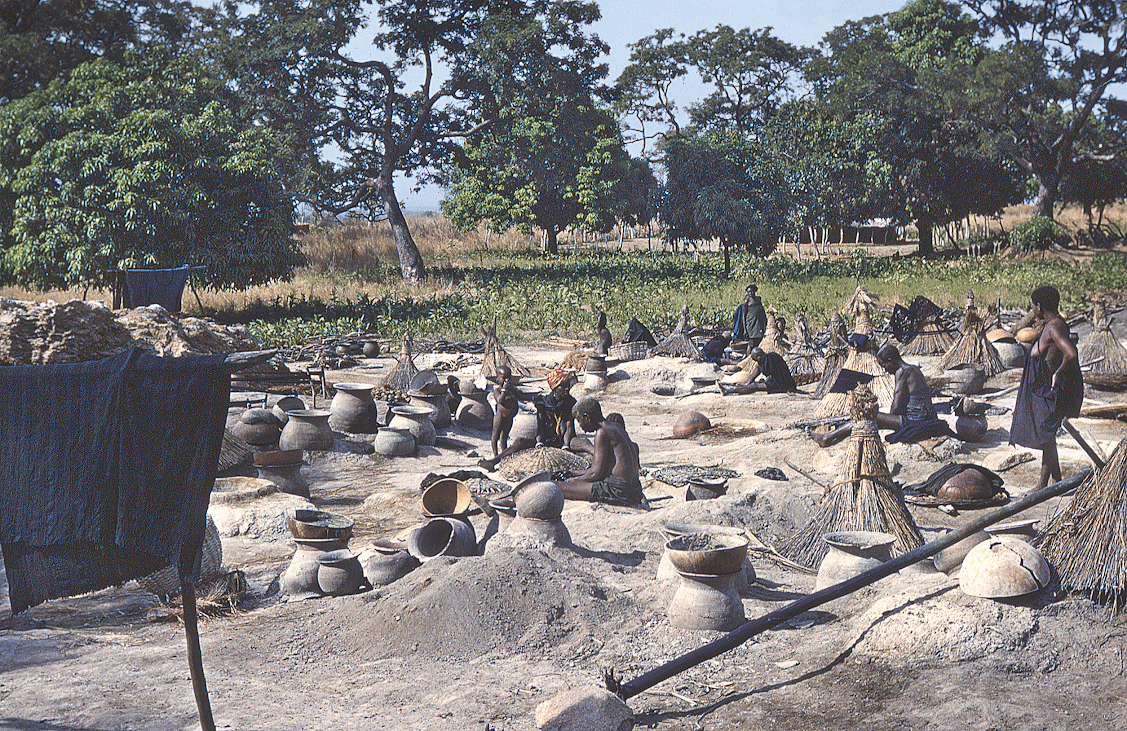
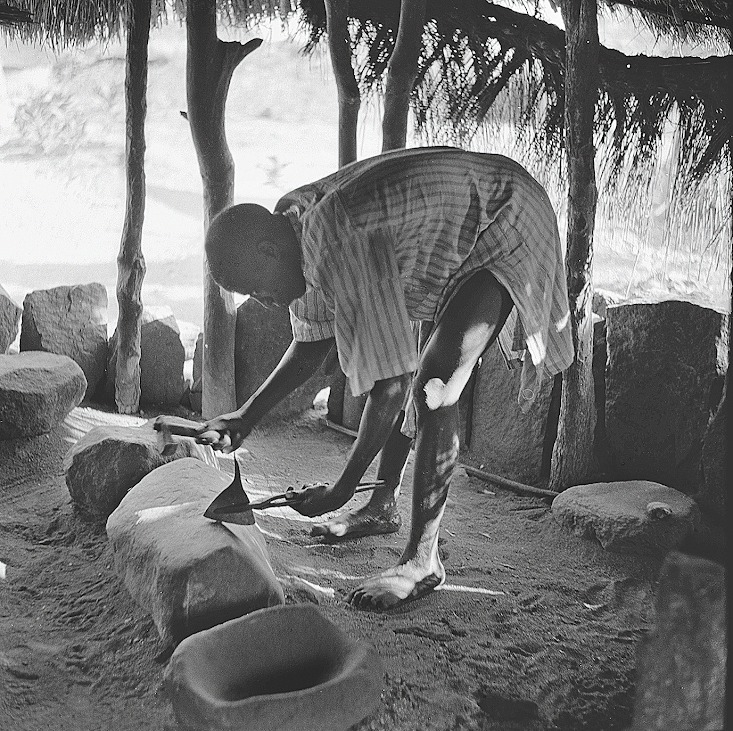
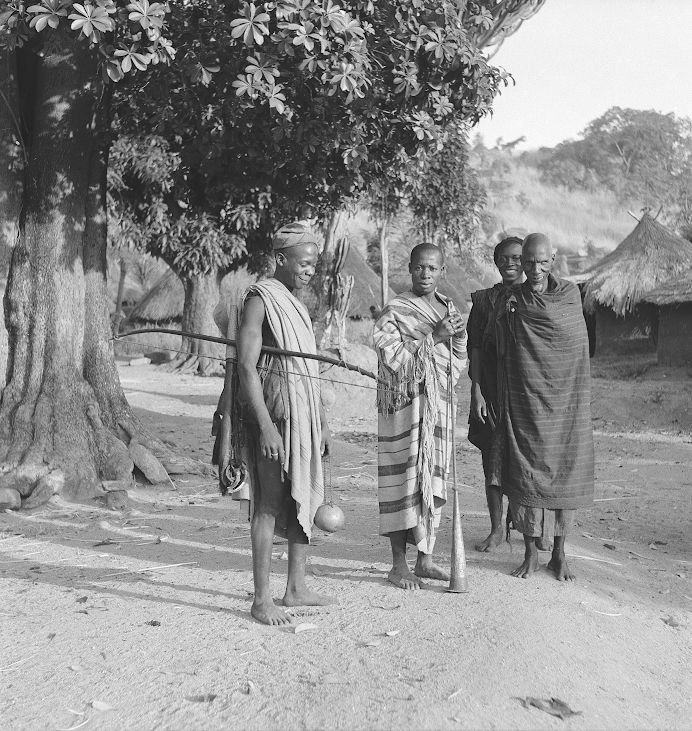
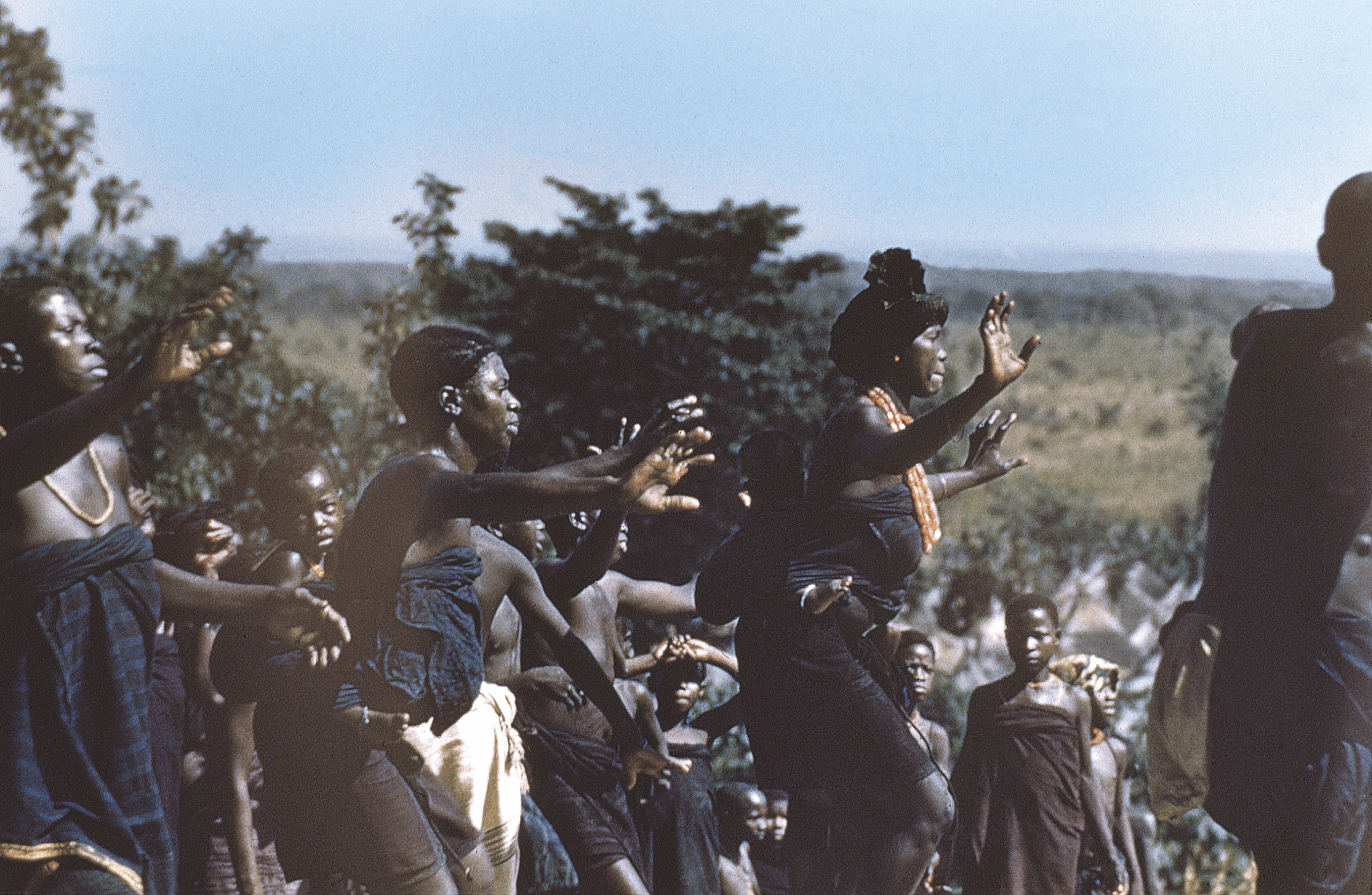
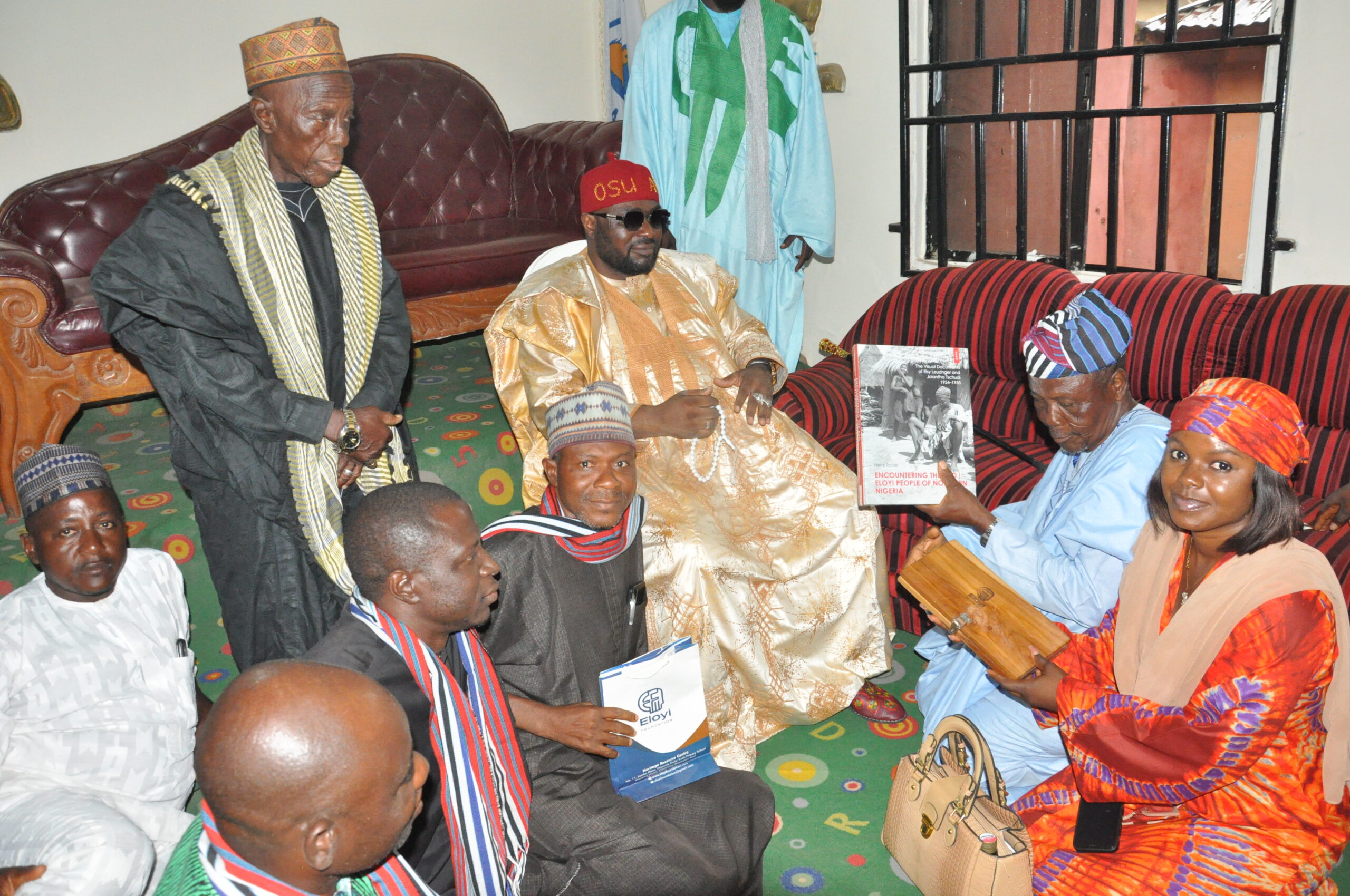
A rare visual archive of Eloyi communities Agbazo, Odu, Akyewa, Agwada, and Kana, recently published in Encountering the Eloyi (Afo) People of Central Nigeria by Heidi Tacier.
Anna Craven Photographic Essay
1969–1973
A rich visual record of Eloyi art and material culture, taken across Eloyi communities including Eloyi Mbeji and Ekyi.
National Archives Kaduna Collection
National Archives
Historical records of the Eloyi preserved in Nigeria's national archives.
Eloyi Historical Audio Collection
1970–Date
Digitised musical recordings of renowned Eloyi musicians such as Ogimba, Ojameka, Origima, Omenge, Audu Sule, Angarasha, and Ungbere.
Our Community Initiatives
In the last 12 years, we have undertaken some projects and activities to achieve the goals of the Foundation. Here are some of the things we have done, are doing, and plan to start soon:
Heritage Resource Centre
Most documented history and records of African language groups, including Eloyi, are held outside the native communities. This challenge inspired the creation of the Heritage Resource Centre, the largest centralised Eloyi database in the world.
The centre houses modern equipment for digitising written records, audio materials, photographs, and cultural artefacts. It ensures that Eloyi heritage is accessible to both the native community and the wider public.
Our team consists of cultural custodians, researchers, educators, archivists, and community leaders dedicated to Eloyi heritage.
Founder
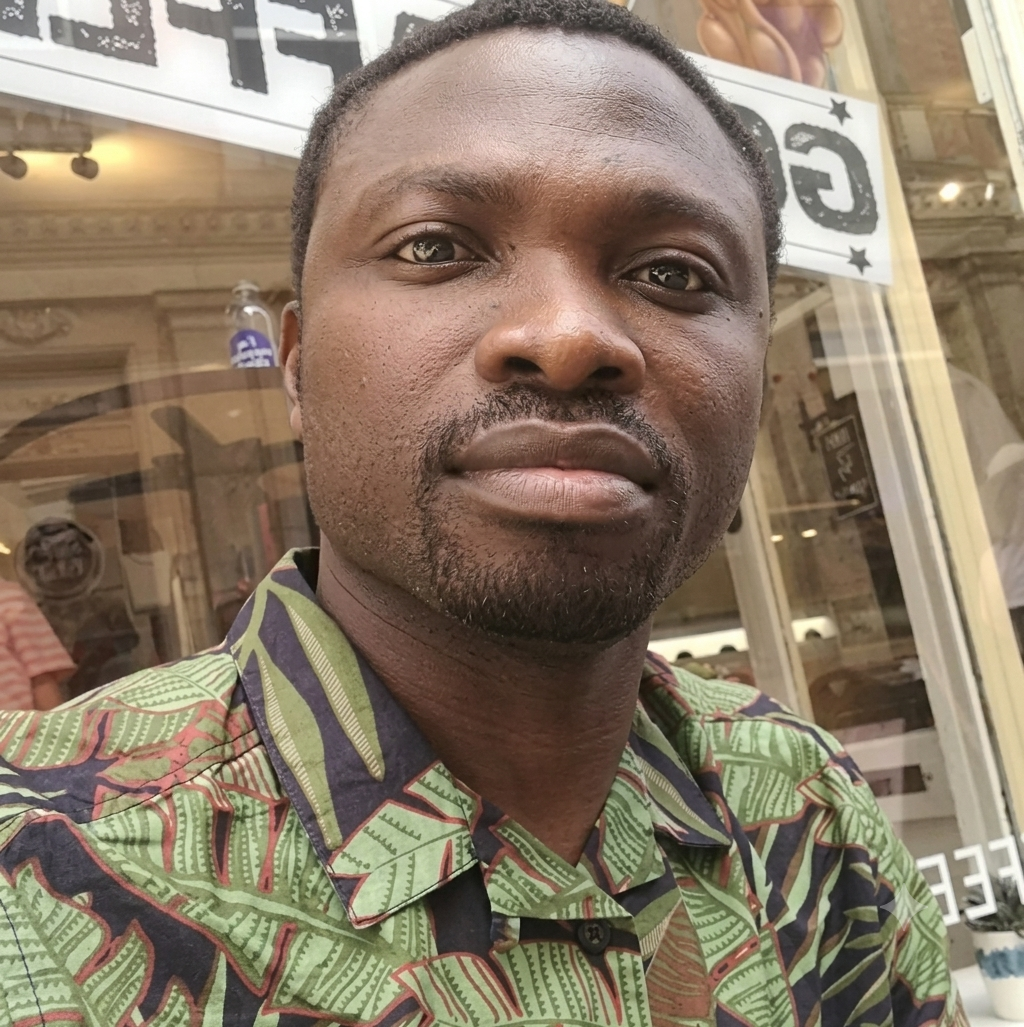
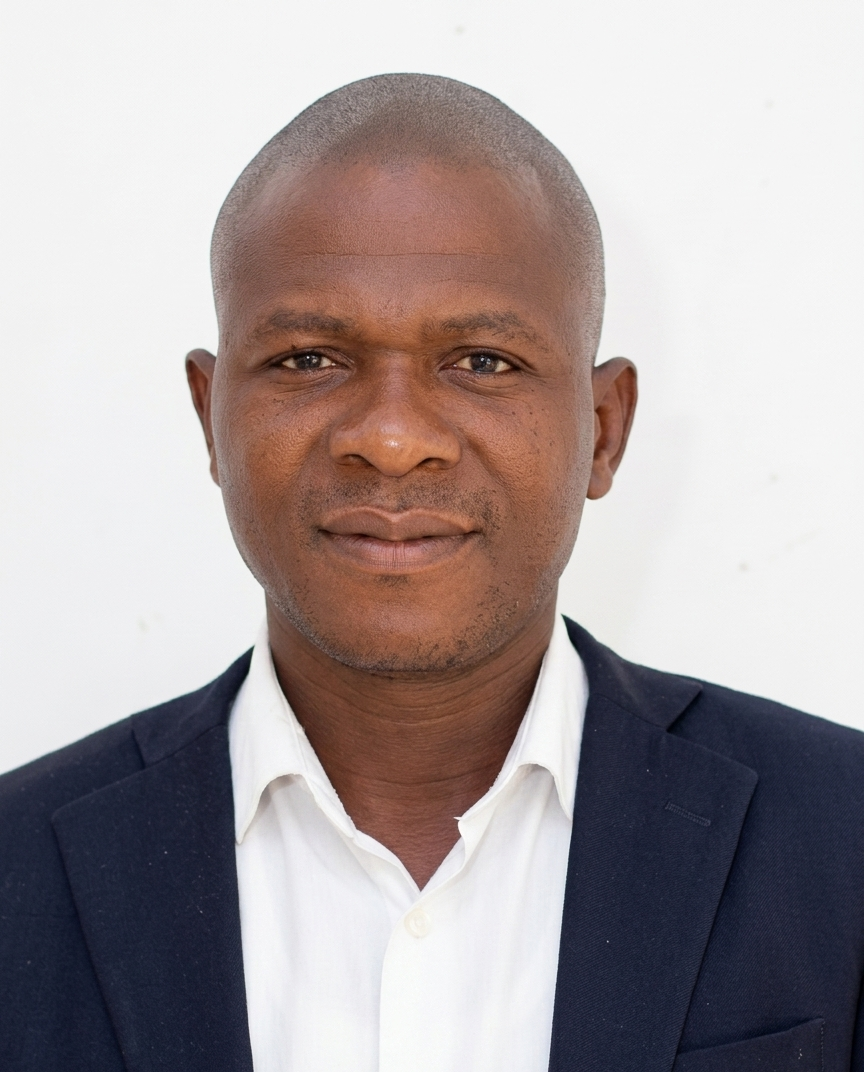
Dr David Egya
Founder and Managing Director
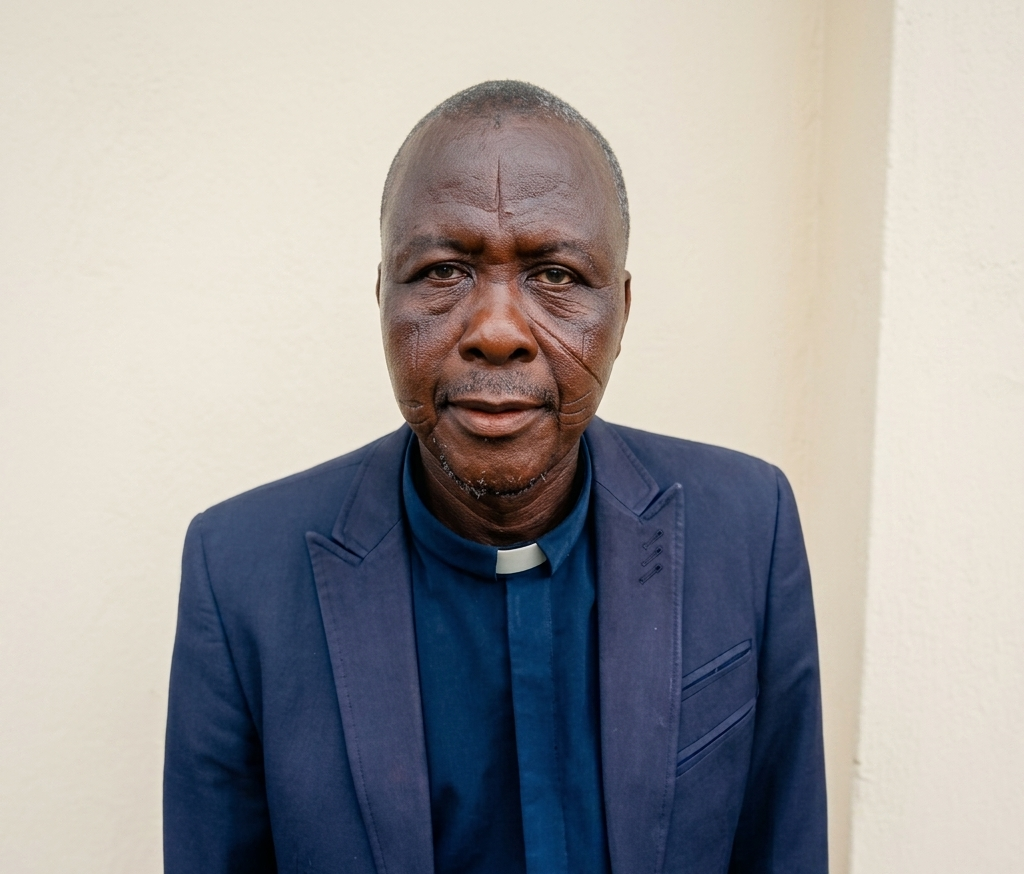
Reverend Kwokpa Uwelo
Senior Cultural Advisor and Lead Historian
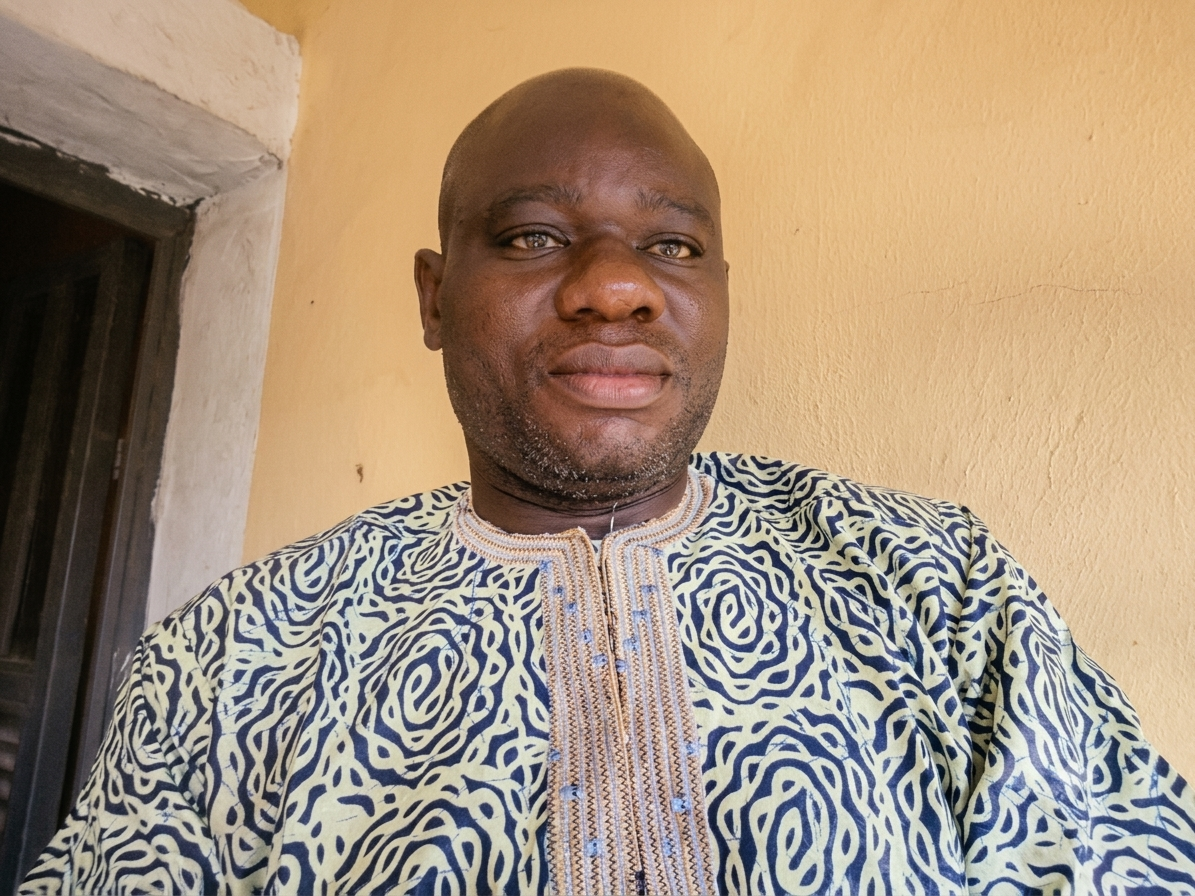
Mr Ayuba Samuel Osayi
Trustee
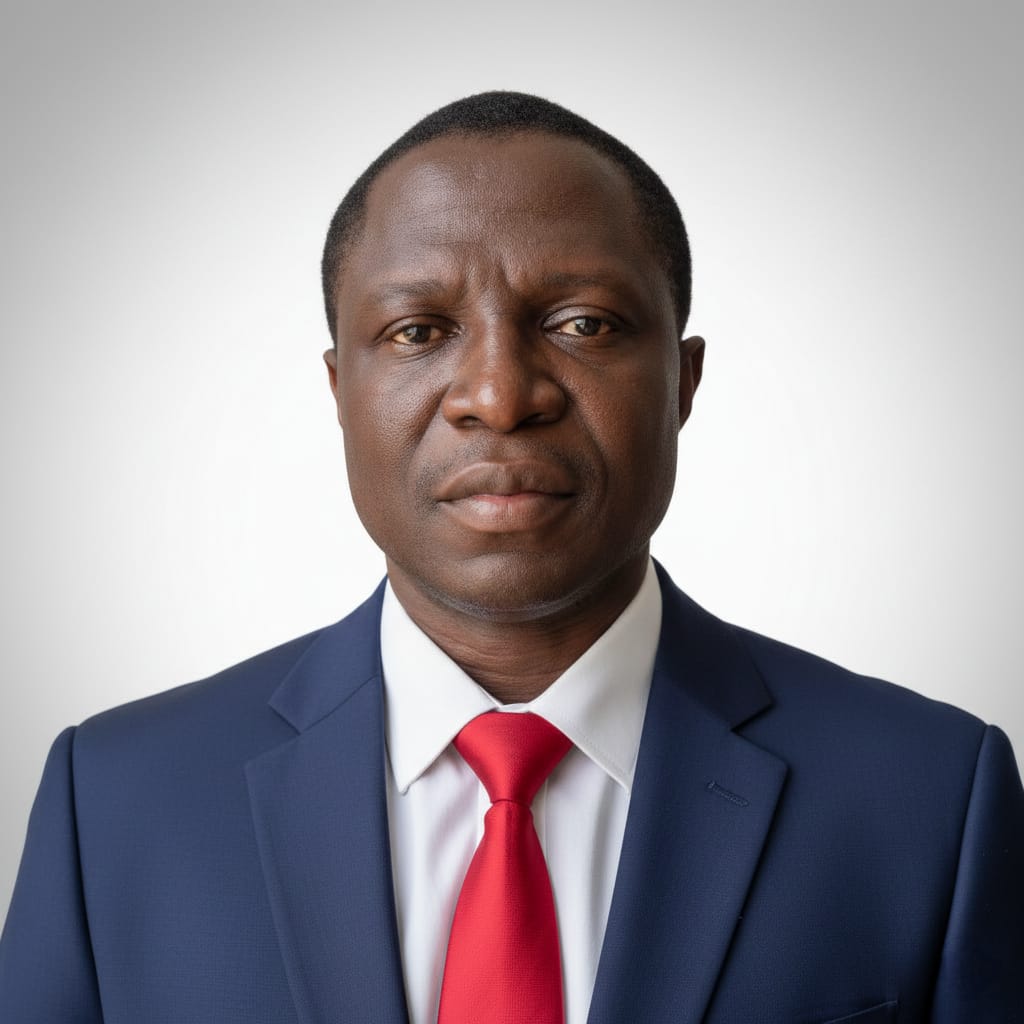
Engr Abdulkadir Sabo Osu
Director
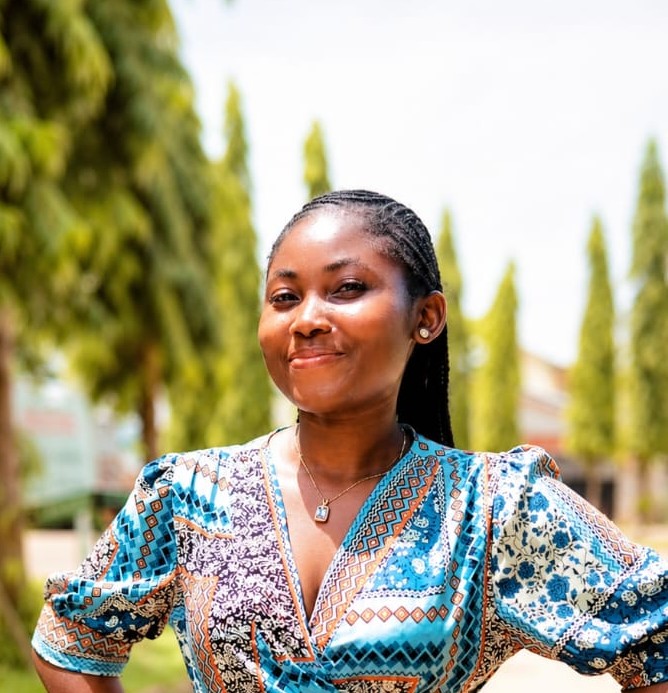
Hannah Egya
Communications and Media Lead
Vesty Eteosu
Digitisation and Documentation Officer
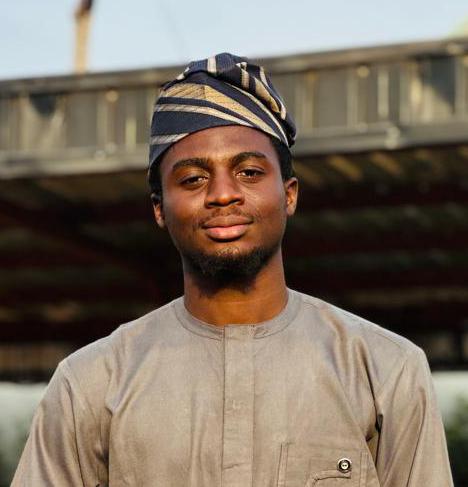
Mr Joshua Owuna
Linguist
Mr Zubairu
Digital and IT Lead
01
Eloyi Orthography
In collaboration with historian and linguistic expert Dr. Philip Hayab, Eloyi authors, and cultural experts, the Foundation convened a three-day workshop that produced the first unified Eloyi writing system. This orthography is now the standard for Eloyi literacy and documentation.
02
Cassette Digitisation Project
Many Eloyi musical recordings from the mid-20th century exist only on fragile, obsolete cassettes. In partnership with IBBU's Centre for Indigenous Studies and UCLA's Modern Endangered Archives Program (MEAP), we digitise and curate these recordings to preserve them for future generations.
03
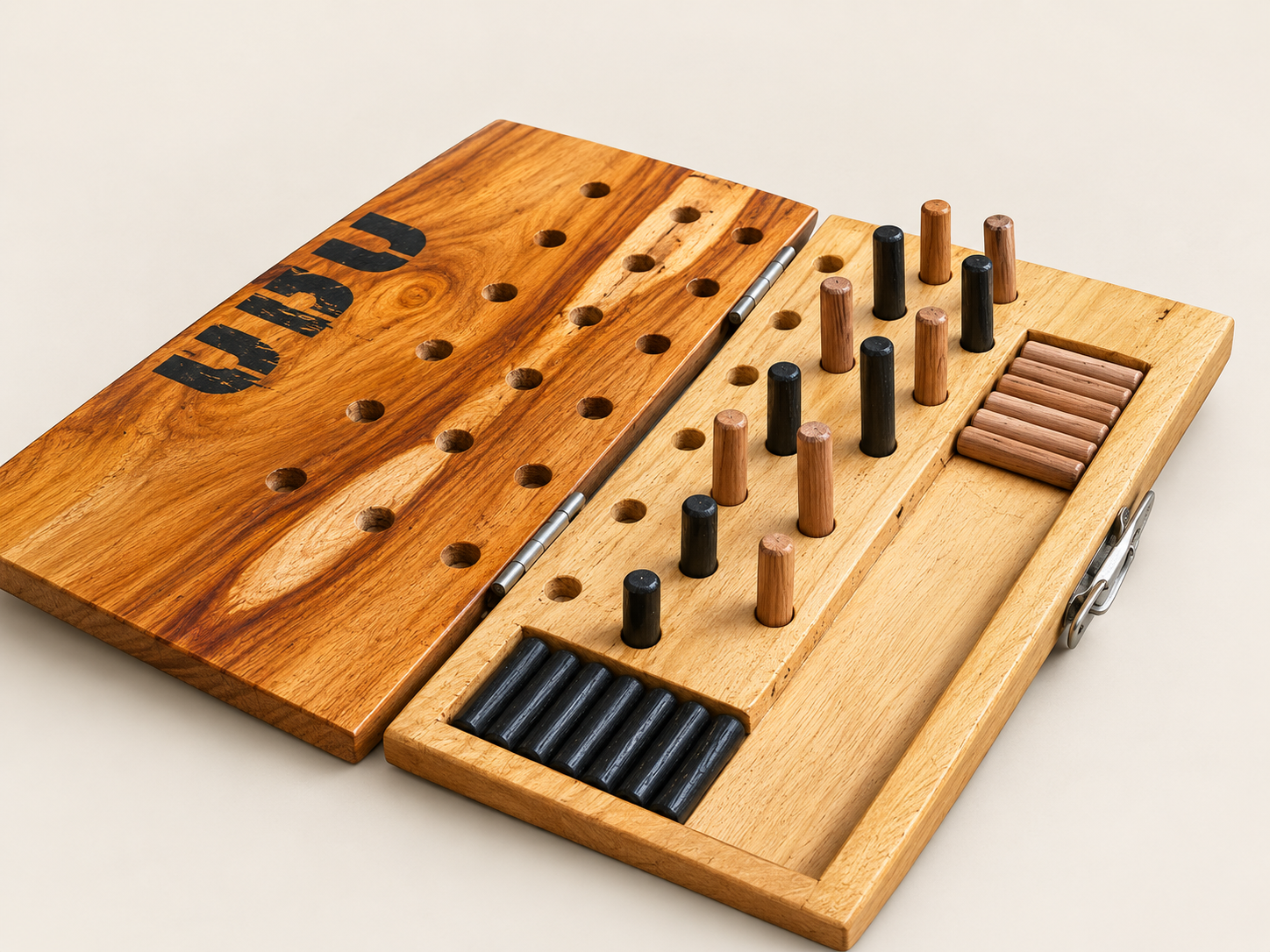
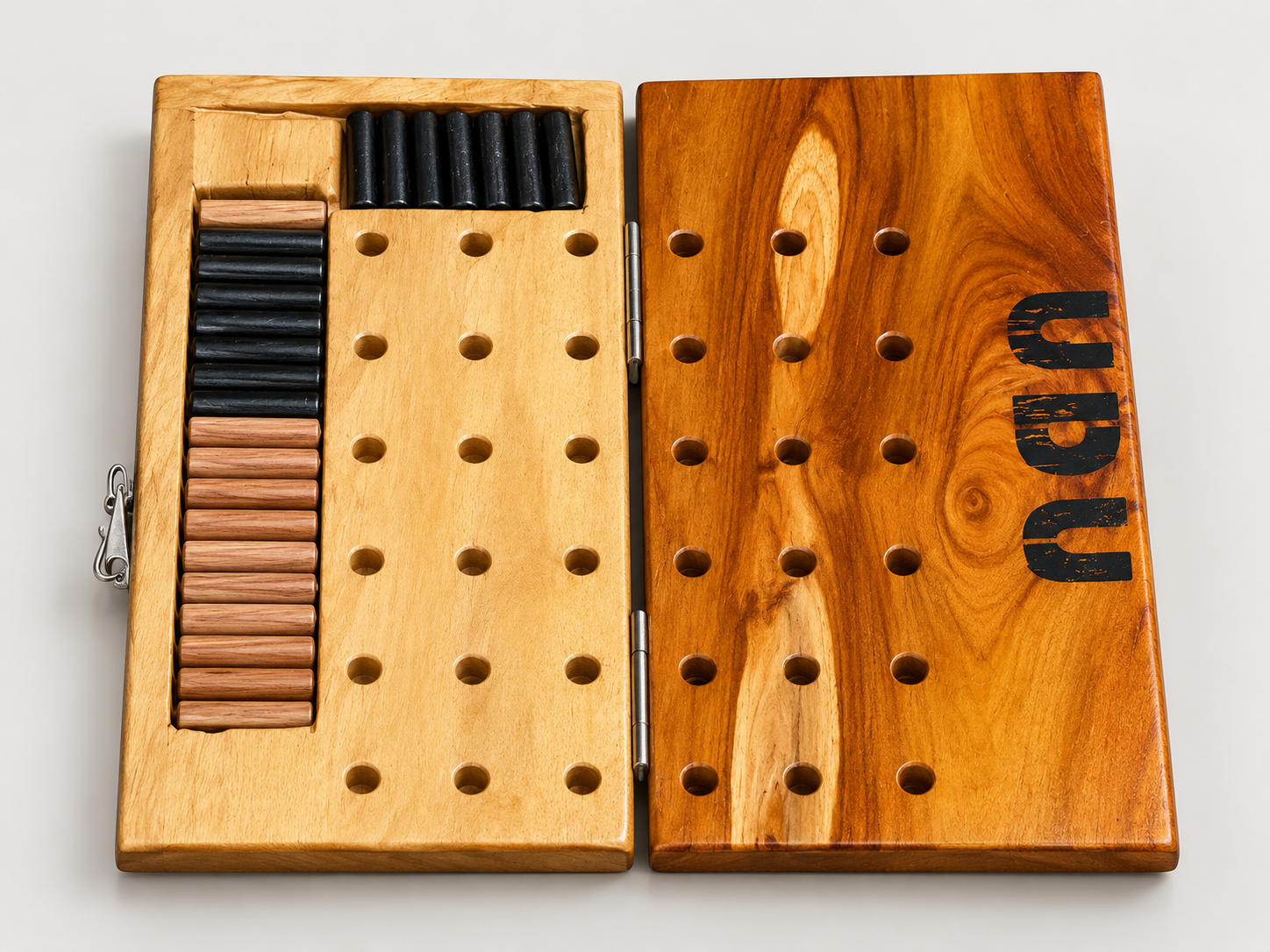
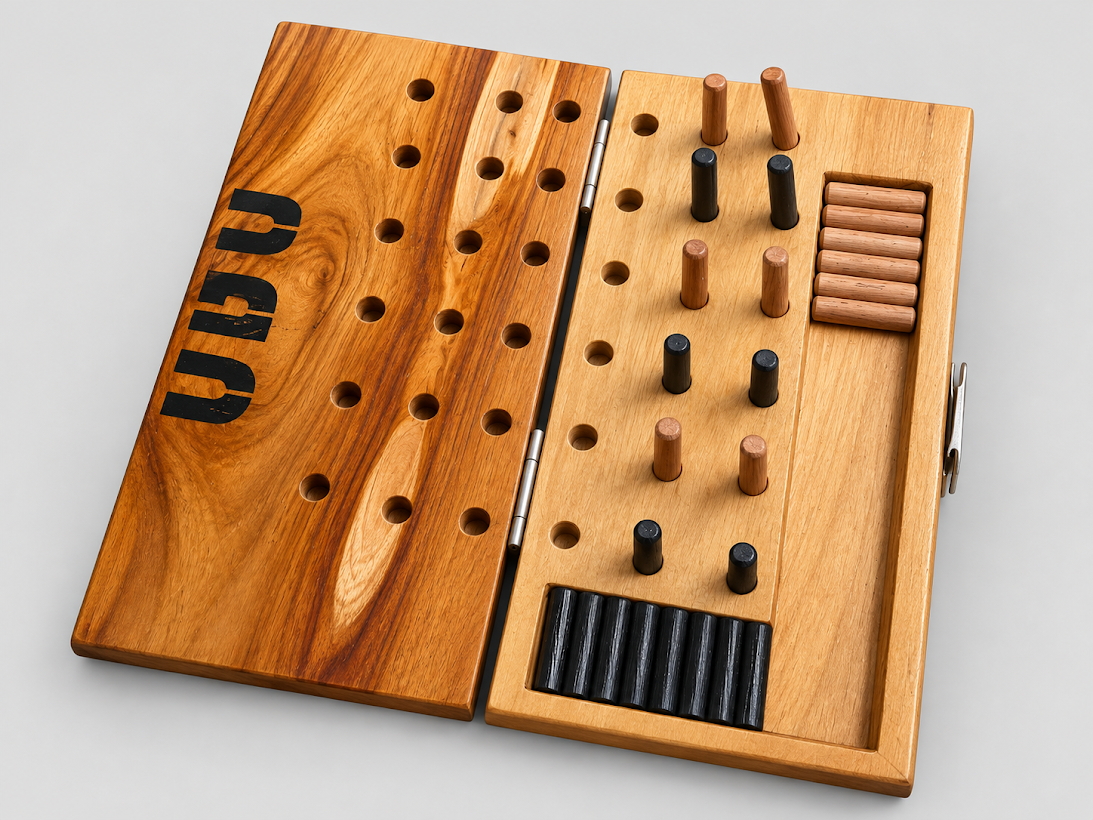
Udu Project
Udu, Eloyi's most beloved traditional game, has seen declining participation among younger generations. To preserve this cultural treasure, we designed modern, portable board versions and distributed them across communities. Our goal is to see Udu enjoyed alongside global family games like Ludo, Chess, and Draft.
We are developing additional initiatives that strengthen cultural continuity and community empowerment, including an Eloyi dictionary, kosomi-kosomi (folktales), photo and video digitisation, literacy programmes, and history.
Culture & Heritage
Farming and Food Production
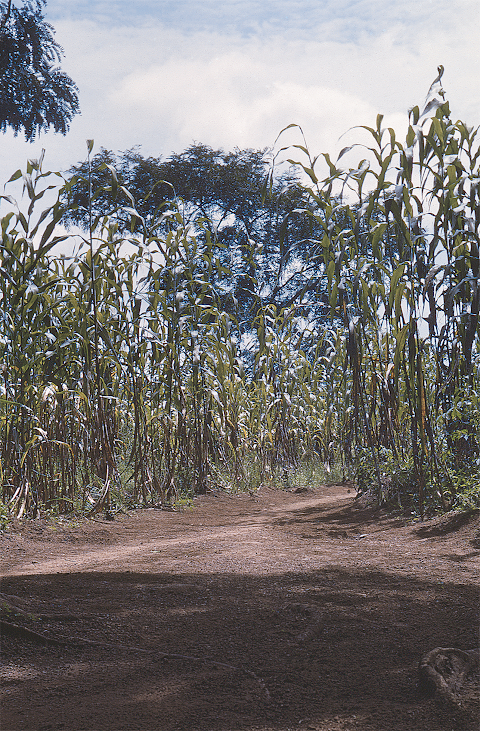
Families grow millet, guinea corn, maize, yams, cassava, and peanuts, storing harvests in granaries and household spaces. Harvest time is communal, and passing food knowledge from one generation to the next is a vital part of Eloyi identity.
Palm Oil Processing
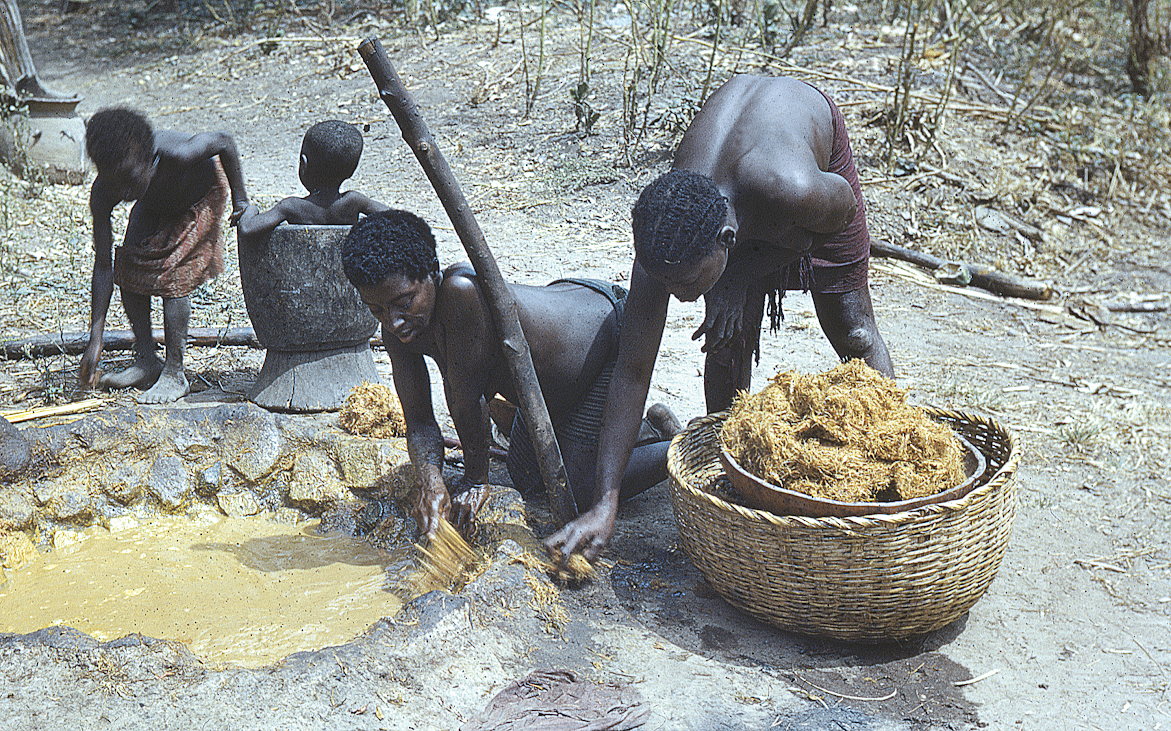
Women process palm nuts using traditional methods, cooking, pounding, extracting oil, and cracking nuts for food. Palm oil remains essential for cooking, trade, and cultural practices.
Pottery
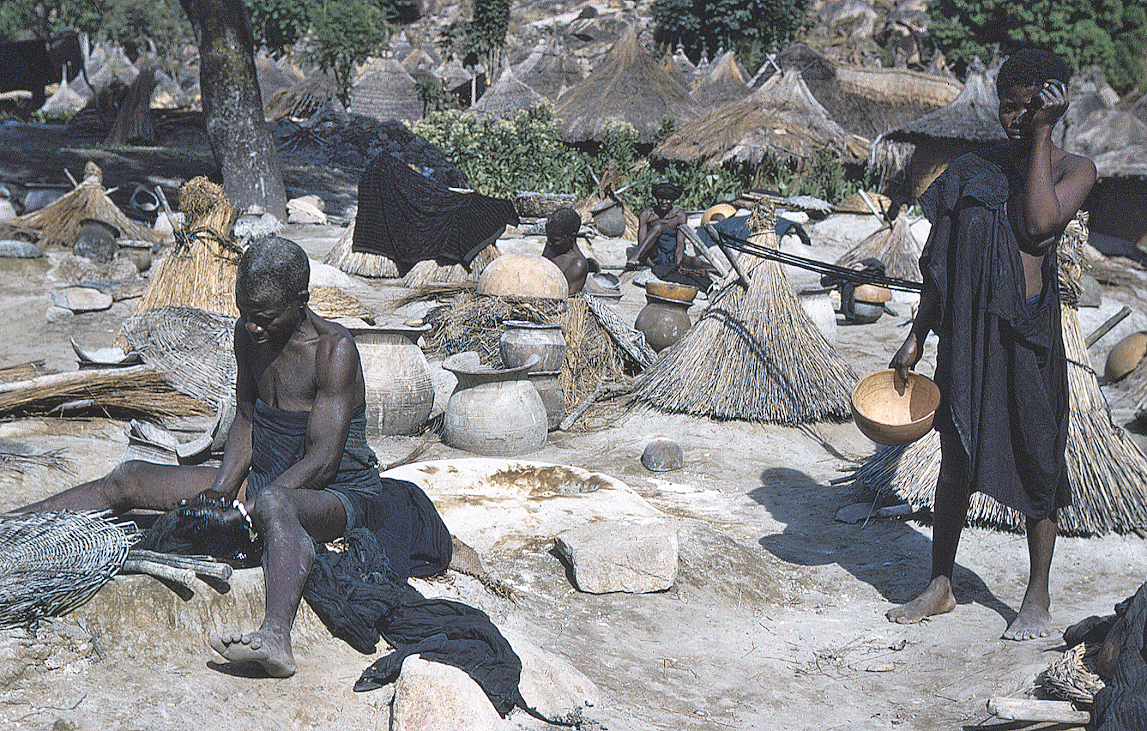
Eloyi pottery is hand-built from fine clay, decorated with string impressions, and fired in open straw fires. Pots serve cooking, storage, and ceremonial purposes.
Basket Weaving
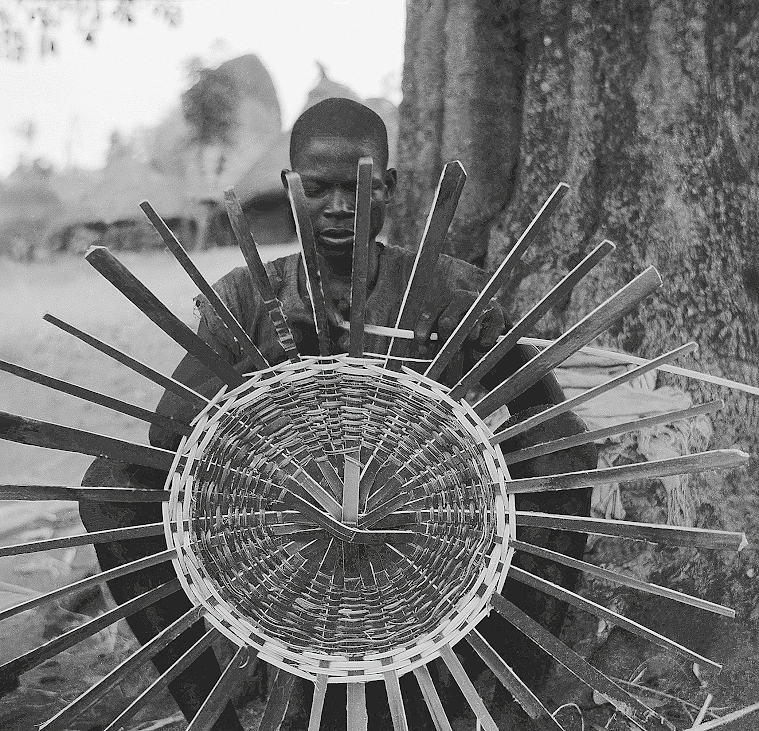
Men weave baskets from palm leaves and grasses using braiding, coiling, and plaiting techniques. These baskets serve farming, storage, and trade, reflecting craftsmanship and patience. Similar materials are used to make bags, hand fans, and sleeping mats.
Textile Weaving and Sewing
Looms are used to weave narrow cloth panels. These panels are sewn together into garments such as aprons and traditional clothing. Textile weaving supports clothing needs and cultural identity.
Cotton Spinning and Dyeing
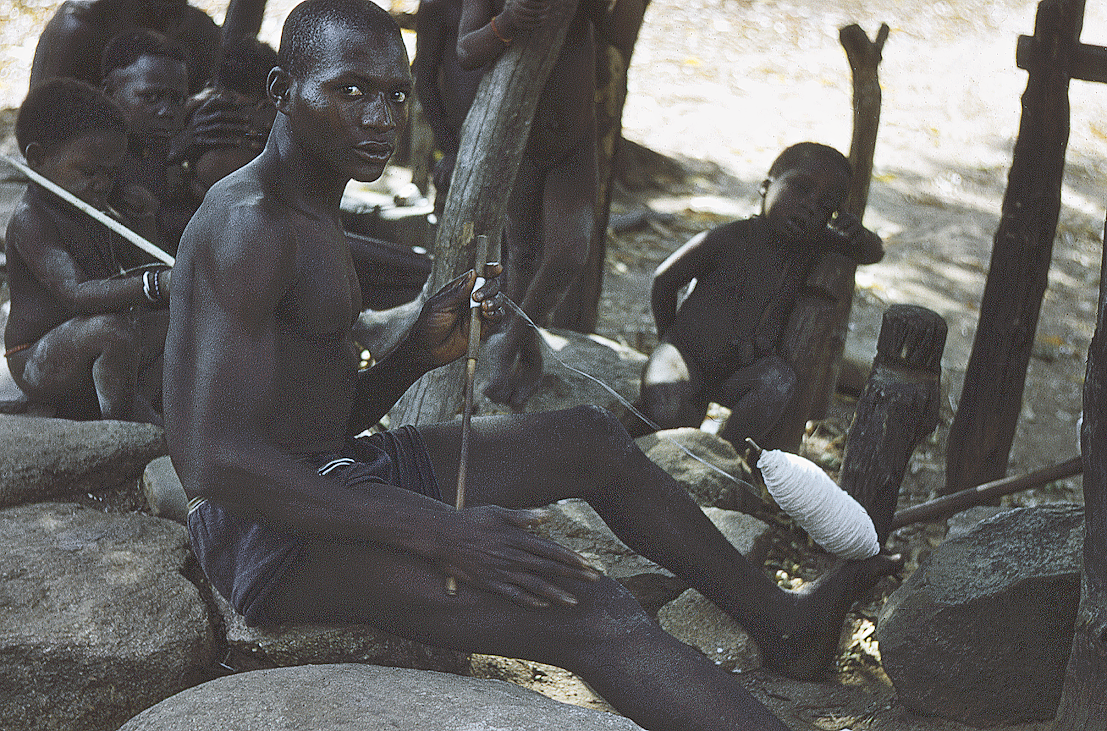
Women spin cotton into yarn and dye fabrics using indigo and earth pigments, producing textiles for clothing and ceremonies.
Blacksmithing and Tool Repair
Blacksmiths maintain tools essential for farming, hunting, and household tasks, ensuring community self-reliance.
Hunting
Hunting complements farming and carries cultural significance. Skills are passed down through apprenticeship and observation.
Eloyi Foundation aims to address social, environmental, and economic challenges through heritage preservation, education, and grassroots development.
To secure the enduring legacy of the Eloyi by rediscovering, preserving, and celebrating our historical and cultural heritage.
To safeguard Eloyi heritage through documentation, digitisation, intergenerational knowledge sharing, and the creation of accessible resources to support literacy, scholarship, community development, and posterity.
To promote and preserve Eloyi culture, identity, traditions, and history for present and future generations.
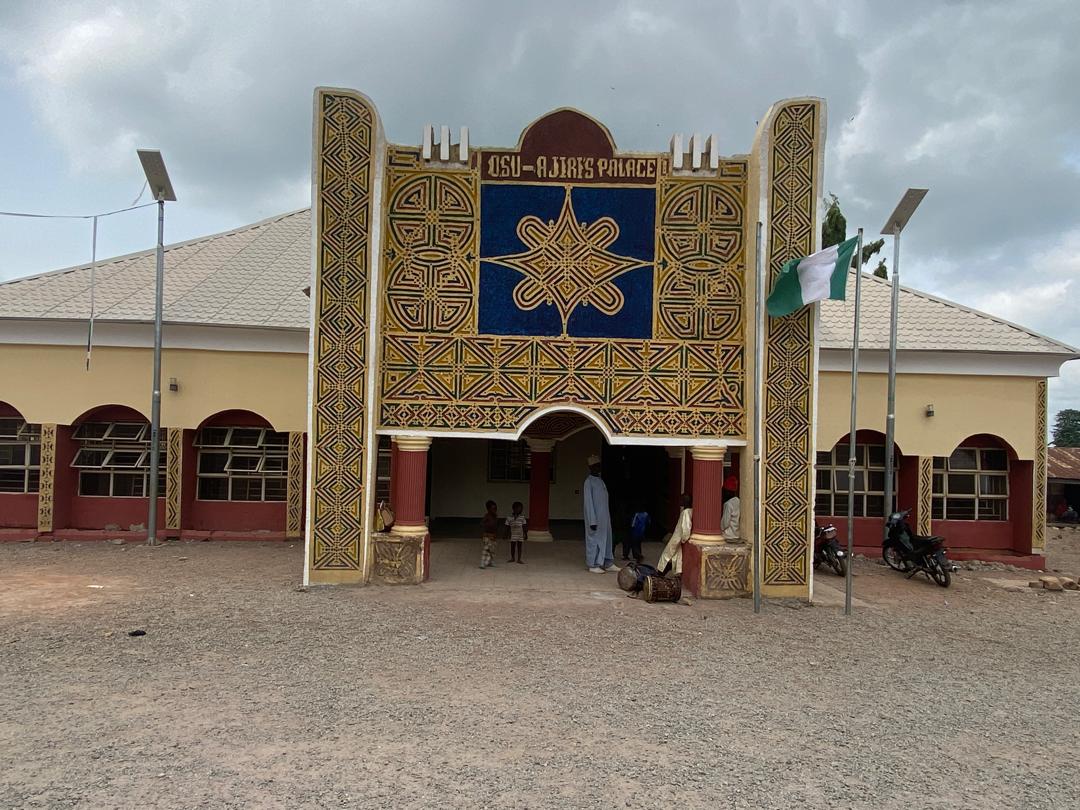
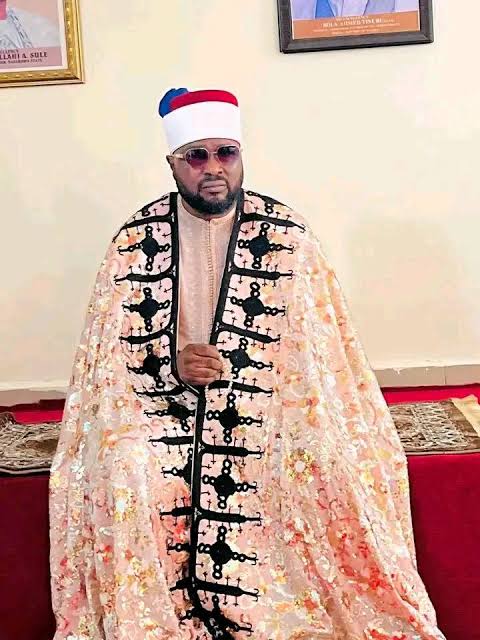
Osu Ajiri, a first-class traditional ruler of the Afo community, is a graduate of the Federal Polytechnic Nasarawa; he is happily married with children.
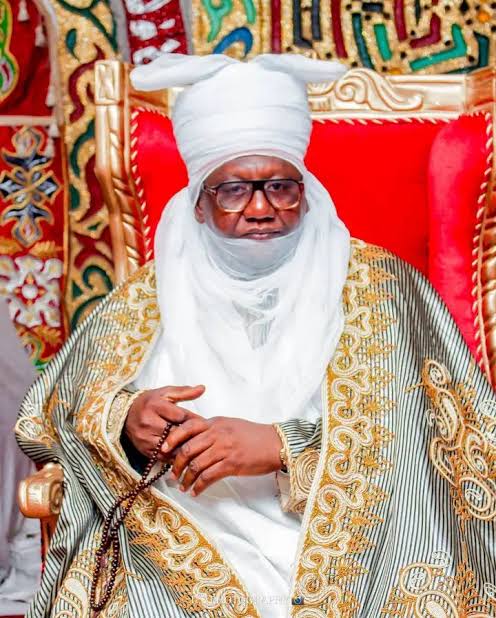
Osu Agwada
His Royal Highness Alhaji Abubakar Sadiq Obagu
The Osu Agwada is a traditional royal title and first-class traditional ruler in Agwada, Kokona Local Government Area, Nasarawa State, Nigeria..